GALI‑MUHTASIB LABORATORY
Research

Gali‑Muhtasib Laboratory

Research

Research

Research programmes

Four complementary programmes: natural‑product translation (thymoquinone), DNA‑PK and NHEJ in radiosensitization, Chk1‑dependent checkpoint targeting (p53 context), and p53‑dependent apoptosis and senescence mechanisms.
01

Natural products and chemoprevention: thymoquinone biology

How do natural quinones such as thymoquinone provoke selective tumour cell death and modulate invasion, stemness and response to chemotherapy?

Our group has long studied thymoquinone (TQ), the bioactive constituent of Nigella sativa, showing it triggers apoptosis and reduces tumour growth in colon cancer models and modulates pathways including p53, ROS generation and topoisomerase II interactions. We aim to clarify context‑dependent mechanisms that determine sensitivity and resistance, and to propose strategies—combinatorial, formulation or derivative chemistry—to enhance efficacy.

Translational work couples cell biology with murine tumour models to evaluate antitumour activity and toxicity. Studies probe how TQ interacts with cellular copper to induce ROS, how TQ alters DNA damage signalling and whether combinations with standard chemotherapies or nanoformulations increase therapeutic index.
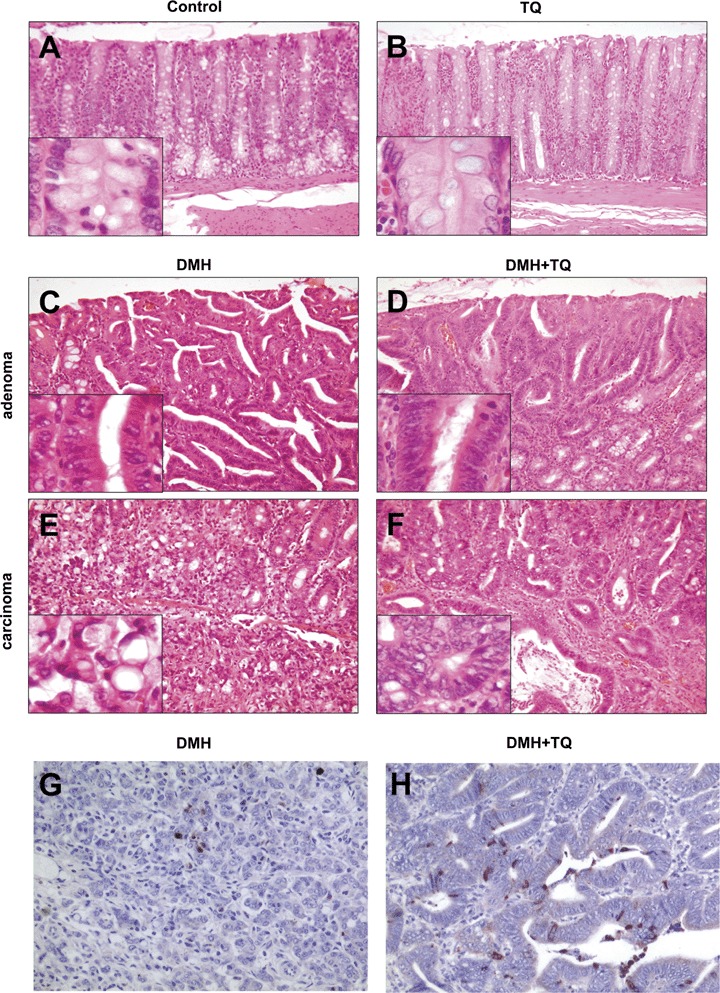
Representative data from murine colon tumour models showing growth inhibition after thymoquinone treatment. (Open‑access article page)
02

DNA‑PK, NHEJ and radiosensitization

Targeting DNA‑PK and classical NHEJ to increase tumour radiosensitivity — molecular basis and translational potential.

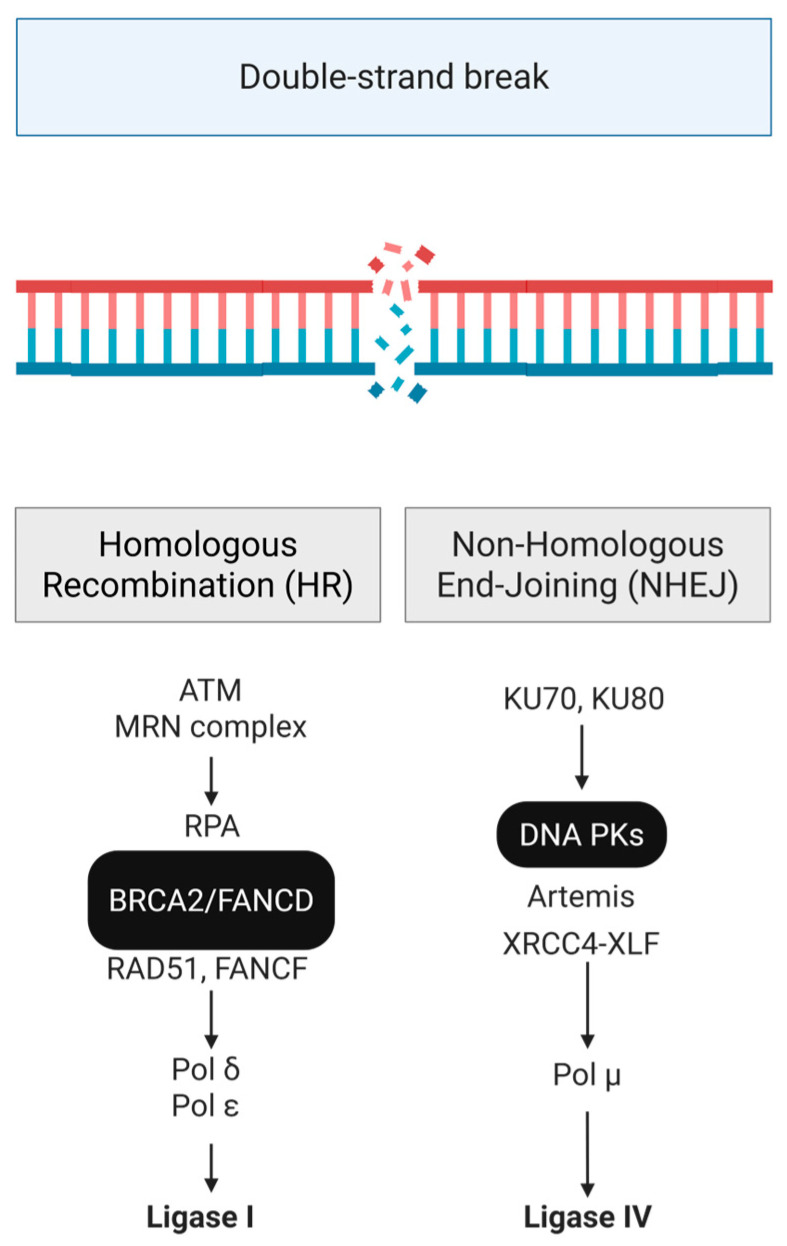
Radiation causes double‑strand breaks (DSBs) whose repair by non‑homologous end joining (NHEJ) is largely dependent on DNA‑PK. Our work and related studies investigate small‑molecule modulators that inhibit DNA‑PK activity and thereby prevent DSB repair, producing radiosensitization in tumour models.

Mechanistic studies examine DNA‑PK’s interactions with p53 signalling and downstream apoptotic pathways. We aim to identify combinations and scheduling that maximise tumour control while limiting normal tissue toxicity, and to validate biomarkers predicting radiosensitization.

Classic literature demonstrating inhibition of DNA‑PK (wortmannin) potentiates radiosensitivity via impaired DSB repair (PubMed record).
03

Chk1 signalling, p53 status and selective radiosensitization

Why Chk1 inhibition preferentially radiosensitises p53‑defective tumour cells and how that dependency can be exploited therapeutically.

Tumours harbouring p53 mutations often lack an effective G1 checkpoint and depend on Chk1‑mediated G2 arrest to repair DNA damage. Our research explores Chk1 inhibitors as radiosensitisers and chemosensitizers in p53‑defective backgrounds, characterising downstream effects on HRR, apoptosis and senescence.

We also study combinations (Chk1 + PARP inhibitors, Chk1 + DNA‑PK strategies) that produce synthetic lethality in specific genetic contexts, and identify predictive biomarkers of response.

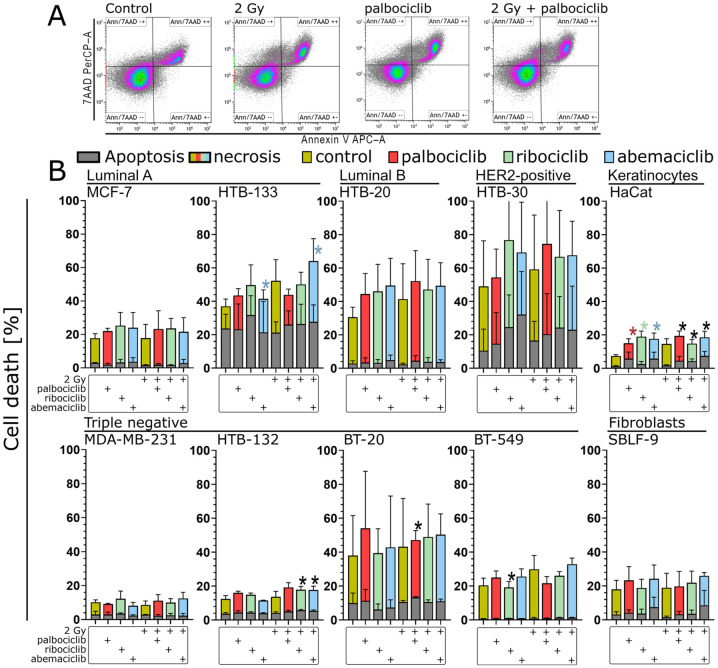
Open‑access data demonstrating selective radiosensitization of p53 mutant cells by Chk1 inhibition (PMC article).
04

p53‑status dependent apoptosis and senescence in therapy response

How p53 status steers tumour cells towards apoptosis, senescence or survival after genotoxic stress and the therapeutic implications.

p53 is a central determinant of cell fate decisions following DNA damage. Our work dissects signalling nodes — phosphorylation by DNA‑PK and ATR/Chk1, interactions with BRCA/HRR factors and senescence programmes — that redirect cells toward apoptosis or stable growth arrest.

We combine biochemical dissection of phosphorylation events with functional assays of senescence and apoptotic execution, seeking interventions that bias outcomes in tumours while preserving normal tissue function.

Foundational record describing DNA‑PK mediated phosphorylation of p53 (PubMed).